
Did you know that adding fiber to your diet can have a significant impact on your overall health and weight management? In this article, we will explore the important role that fiber plays in women’s diets, specifically focusing on its benefits for gut health and weight management. From aiding digestion to preventing overeating, we’ll uncover the many ways in which fiber can help you achieve your health goals. So, if you’re looking for simple yet effective ways to improve your well-being, keep reading to discover the power of fiber in women’s diets.

Table of Contents
What is fiber and why is it important?
Fiber is a type of carbohydrate that cannot be digested by the body. Instead, it passes through the digestive system largely intact. While it may seem unusual for something that can’t be digested to be beneficial, fiber plays a crucial role in maintaining a healthy digestive system and overall well-being.
Fiber comes in two varieties: soluble and insoluble. Soluble fiber dissolves in water and forms a gel-like substance in the digestive tract. Insoluble fiber, on the other hand, does not dissolve in water and adds bulk to the stool. Both types of fiber have their own unique benefits and are important for women’s health.
Different types of fiber
Soluble fiber is known for its ability to lower cholesterol levels and regulate blood sugar levels. This type of fiber can be found in foods such as oats, barley, legumes, and certain fruits and vegetables. Insoluble fiber, on the other hand, aids in digestion and prevents constipation by adding bulk to the stool. Foods rich in insoluble fiber include whole grains, nuts, seeds, and most fruits and vegetables.
It is important for women to consume a variety of fiber-rich foods in order to benefit from both types of fiber. By including a mix of soluble and insoluble fiber in your diet, you can support your gut health and overall well-being.
Recommended daily fiber intake for women
The recommended daily fiber intake for women varies depending on age and life stage. For women under 50 years old, the recommended intake is 25 grams per day. Women over 50 should aim for a slightly lower intake of 21 grams per day. However, it is worth noting that most women do not consume enough fiber on a daily basis. In fact, the average fiber intake among women in the United States is only around 15 grams per day.
It is essential to ensure you are meeting your daily fiber requirements in order to support your overall health. By incorporating fiber-rich foods into your diet, you can easily reach your daily intake goal and reap the benefits that fiber provides.
Gut health and the role of fiber
A healthy gut is crucial for maintaining overall health and well-being. The gut microbiome, which consists of trillions of bacteria, plays a vital role in various bodily functions, including digestion, nutrient absorption, and immune function. Having a diverse and balanced gut microbiome is essential for optimal health.
Fiber acts as a prebiotic, providing food for the beneficial bacteria in your gut. When you consume fiber, it passes through your digestive system and reaches your colon, where it is fermented by the gut bacteria. This fermentation process produces short-chain fatty acids, which are beneficial for gut health.
By consuming an adequate amount of fiber, you can promote the growth of beneficial bacteria in your gut, leading to improved digestion, nutrient absorption, and immune function.
How fiber aids in weight management
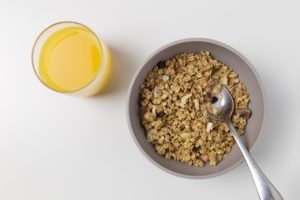
In addition to its impact on gut health, fiber also plays a role in weight management. Foods that are high in fiber tend to be more filling and can help you feel satisfied for longer periods of time. As a result, consuming fiber-rich foods can help reduce overall calorie intake and promote weight loss or maintenance.
Furthermore, fiber-rich foods often have a lower energy density, meaning they provide fewer calories for the same volume of food. This can be beneficial for weight management, as you can consume larger portions of fiber-rich foods while still keeping your calorie intake in check.
Including fiber in your diet not only supports your overall health but also contributes to your weight management goals.
Fiber-rich foods for women
Including a variety of fiber-rich foods in your diet is the best way to meet your daily fiber requirements. Some examples of fiber-rich foods that are beneficial for women’s health include:
- Fruits: Berries, apples, pears, and oranges are all excellent sources of fiber.
- Vegetables: Broccoli, Brussels sprouts, carrots, and sweet potatoes are packed with fiber.
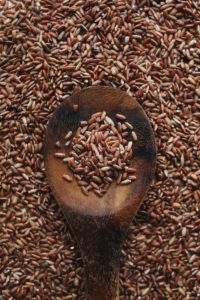
- Whole grains: Foods such as oatmeal, whole wheat bread, quinoa, and brown rice are rich in fiber.
- Legumes: Beans, lentils, chickpeas, and peas are all high in fiber.
- Nuts and seeds: Almonds, chia seeds, flaxseeds, and pumpkin seeds are great sources of fiber.
By incorporating these fiber-rich foods into your meals and snacks, you can easily increase your daily fiber intake and support your overall health.
The impact of fiber on digestion
Fiber plays a crucial role in maintaining a healthy digestive system. Insoluble fiber, in particular, adds bulk to the stool and helps prevent constipation by promoting regular bowel movements. By increasing your fiber intake, you can soften the stool and make it easier to pass, reducing the risk of constipation.
Furthermore, soluble fiber can help alleviate digestive issues such as diarrhea. As soluble fiber absorbs water in the digestive tract, it can help add bulk to loose stools and promote more regular bowel movements.
Incorporating fiber into your diet can have a positive impact on your digestion, keeping your digestive system running smoothly.
The connection between fiber and cholesterol levels
High levels of cholesterol can increase the risk of heart disease. Soluble fiber plays a key role in lowering cholesterol levels by reducing the absorption of cholesterol in the intestines. Additionally, soluble fiber can increase the excretion of bile acids, which are made from cholesterol. This prompts the liver to use more cholesterol to produce new bile acids, resulting in lower overall cholesterol levels.
By including soluble fiber-rich foods in your diet, you can effectively reduce your risk of heart disease and improve your heart health.
Fiber’s role in controlling blood sugar levels
For women with diabetes or those at risk of developing diabetes, controlling blood sugar levels is essential. Soluble fiber can help regulate blood sugar levels by slowing down the absorption of sugar into the bloodstream. This helps prevent spikes and crashes in blood sugar levels, promoting more stable energy levels throughout the day.
Including fiber-rich foods in your meals and snacks can aid in blood sugar control, making them an important component of a diabetes-friendly diet.
Tips for incorporating more fiber into women’s diets
If you’re looking to increase your fiber intake, here are some tips to help you incorporate more fiber-rich foods into your diet:
- Gradually increase your fiber intake: Start by adding small amounts of fiber-rich foods to your meals and gradually increase the portions over time. This allows your body to adjust to the increased fiber intake without causing digestive discomfort.
- Choose whole grains: Opt for whole grain varieties of bread, pasta, and rice to increase your fiber intake. These contain more fiber than refined grains.
- Snack on fruits and vegetables: Keep a variety of fresh fruits and cut-up vegetables on hand for easy and healthy snacks. These are great sources of fiber.
- Include legumes in your meals: Add beans, lentils, and chickpeas to soups, stews, and salads for a boost of fiber and protein.
- Experiment with new recipes: Look for recipes that incorporate fiber-rich ingredients and try out new dishes to keep your meals interesting and enjoyable.
By following these tips and making fiber-rich foods a regular part of your diet, you can easily increase your fiber intake and support your overall health and well-being.
In conclusion, fiber plays a vital role in women’s diets when it comes to gut health and weight management. From promoting a healthy gut microbiome to aiding in weight loss and maintaining healthy cholesterol and blood sugar levels, fiber offers a wide range of benefits. By incorporating fiber-rich foods into your meals and snacks and meeting your daily fiber requirements, you can support your overall health and well-being as a woman. So, make it a priority to include fiber in your diet and enjoy the numerous advantages it offers.
