
Are you struggling to manage PCOS (Polycystic Ovary Syndrome)? Look no further than your plate! Discover how the right diet can play a crucial role in preventing and managing PCOS symptoms. From incorporating nutrient-rich foods to adopting a balanced eating pattern, this article will guide you through the power of food in improving your overall well-being and hormonal balance. Say goodbye to the frustration and uncertainty, and hello to a healthier, happier you!

Table of Contents
Introduction to PCOS
What is PCOS?
PCOS, short for Polycystic Ovary Syndrome, is a hormonal disorder that affects the reproductive and metabolic systems in women. It is characterized by the presence of enlarged ovaries with small cysts, along with irregular menstrual cycles, elevated levels of androgens (male hormones), and insulin resistance. PCOS can have a significant impact on a woman’s fertility, as well as her overall health and well-being.
Prevalence of PCOS
PCOS is one of the most common endocrine disorders among women of reproductive age, affecting approximately 1 in 10 women worldwide. It is estimated that around 5-10% of women in the United States alone have PCOS. Despite its prevalence, PCOS often goes undiagnosed or misdiagnosed, leading to delays in treatment and management of the condition.
Symptoms of PCOS
The symptoms of PCOS can vary from woman to woman, but the most common ones include irregular menstrual cycles, excessive hair growth (hirsutism), acne, weight gain, and difficulty losing weight. Other symptoms may include thinning hair, mood swings, depression, sleep disturbances, and fertility issues. It is important to note that not all women with PCOS will experience the same symptoms, and the severity of symptoms can also vary.
Understanding the Link between PCOS and Diet
Role of Insulin in PCOS
Insulin is a hormone produced by the pancreas that plays a crucial role in regulating blood sugar levels. In women with PCOS, insulin resistance is a common metabolic abnormality, which means that their bodies are less responsive to the effects of insulin. As a result, the pancreas produces more insulin to compensate, leading to elevated levels of insulin in the bloodstream. This excess insulin not only affects blood sugar levels but also stimulates the ovaries to produce more androgens, further exacerbating the hormonal imbalance in PCOS.
Impact of Diet on Insulin Levels
Diet plays a crucial role in managing PCOS symptoms and improving insulin sensitivity. Certain dietary factors, such as the type and amount of carbohydrates consumed, can significantly influence insulin levels. Consuming a diet high in refined carbohydrates and added sugars can lead to rapid spikes in blood sugar levels, triggering an increase in insulin production. On the other hand, opting for complex carbohydrates, high in fiber, and consuming a balanced diet can help stabilize blood sugar levels, reduce insulin resistance, and improve overall metabolic health.
Key Nutritional Considerations for PCOS
Balancing Carbohydrates
When it comes to carbohydrates, quality and quantity both matter in managing PCOS. Opting for complex carbohydrates, such as whole grains, legumes, and vegetables, instead of refined carbohydrates can help slow down the digestion and absorption of glucose, preventing those sudden spikes in blood sugar levels. Additionally, portion control is key in managing PCOS, as consuming too many carbohydrates at once can lead to excessive insulin production.
Choosing the Right Fats
Including healthy fats in your diet is essential for PCOS management. Healthy fats, such as those found in avocados, nuts and seeds, olive oil, and fatty fish like salmon, can help improve insulin sensitivity and reduce inflammation in the body. On the other hand, it is important to limit the intake of unhealthy fats, such as saturated and trans fats, which are commonly found in fried foods, processed snacks, and baked goods.
Including Adequate Protein
Protein is an essential macronutrient that plays a crucial role in hormone production, satiety, and muscle repair. Including adequate protein in your diet can help stabilize blood sugar levels, promote feelings of fullness, and support muscle health. Good sources of protein for women with PCOS include lean meats, poultry, fish, tofu, tempeh, legumes, and low-fat dairy products.
Importance of Fiber
Fiber is a non-digestible carbohydrate that adds bulk to the diet, promotes healthy digestion, and helps regulate blood sugar levels. Consuming an adequate amount of fiber can help improve insulin sensitivity, promote weight management, and reduce the risk of developing chronic diseases associated with PCOS, such as cardiovascular disease. Whole grains, fruits, vegetables, and legumes are excellent sources of dietary fiber.
Vitamins and Minerals for PCOS
Certain vitamins and minerals play a crucial role in managing PCOS symptoms and supporting overall health. These include vitamin D, which helps regulate insulin levels, and inositol, a B vitamin that has been shown to improve insulin sensitivity and egg quality in women with PCOS. Additionally, chromium and N-acetyl cysteine (NAC) have shown promise in improving insulin resistance and menstrual regularity. It is always best to consult with a healthcare professional before starting any supplements to ensure you are taking the appropriate dosage for your needs.
The PCOS Diet: Foods to Include
Whole Grains
Whole grains, such as brown rice, quinoa, oats, and whole wheat bread, are excellent sources of complex carbohydrates and dietary fiber. These foods provide a slow release of energy, preventing sudden spikes in blood sugar levels and helping to keep insulin levels stable.
Healthy Fats
Including healthy fats in your diet is crucial for PCOS management. Foods rich in monounsaturated and polyunsaturated fats, such as avocados, nuts, seeds, and olive oil, can help improve insulin sensitivity and reduce inflammation in the body.
Lean Proteins
Lean proteins are a vital component of the PCOS diet. Sources like skinless chicken breast, turkey, fish, tofu, tempeh, and legumes provide essential amino acids and help promote satiety, stabilize blood sugar levels, and support muscle health.
Colorful Fruits and Vegetables
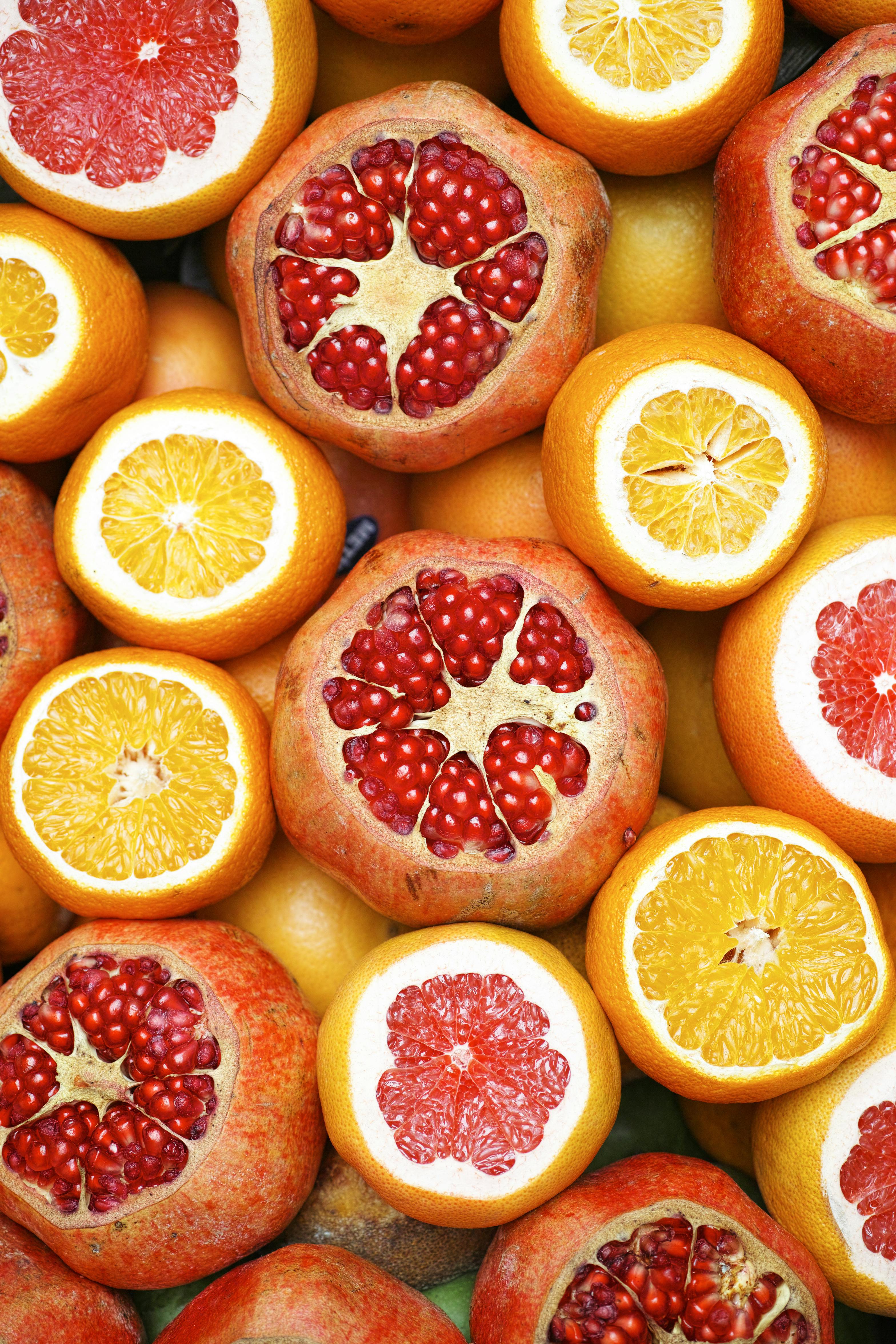
Colorful fruits and vegetables are packed with vitamins, minerals, and antioxidants that can support overall health and help manage PCOS symptoms. Aim to include a variety of fruits and vegetables in your diet to ensure you are getting a range of nutrients.
Anti-Inflammatory Foods
Incorporating anti-inflammatory foods into your PCOS diet can help reduce inflammation in the body, which is often elevated in women with PCOS. Foods such as fatty fish (e.g., salmon, mackerel), turmeric, ginger, green tea, and dark leafy greens are all excellent choices in an anti-inflammatory diet.

The PCOS Diet: Foods to Avoid
Highly Processed Foods
Highly processed foods, such as fast food, packaged snacks, sugary cereals, and pre-packaged meals, should be avoided or minimized in the PCOS diet. These foods are often high in refined carbohydrates, unhealthy fats, and added sugars, which can contribute to insulin resistance and inflammation.
Added Sugars and Sweeteners
It is important to limit the intake of added sugars and sweeteners in the PCOS diet, as they can lead to rapid spikes in blood sugar levels and increased insulin production. Instead, opt for naturally sweetened foods, such as fruits, to satisfy your sweet tooth.
Trans Fats
Trans fats are artificial fats that are commonly found in fried and processed foods, such as French fries, doughnuts, and margarine. These fats not only raise bad cholesterol levels but can also increase insulin resistance and promote inflammation, making them detrimental for women with PCOS.
Dairy Products
Dairy products, particularly those that are high in fat, can exacerbate hormonal imbalances in women with PCOS. Some studies have suggested a connection between dairy consumption and increased androgen levels. However, the relationship between dairy and PCOS is not definitive, and more research is needed. If you choose to include dairy in your diet, opt for low-fat or non-fat options.
Caffeine and Alcohol
Caffeine and alcohol are best consumed in moderation or avoided altogether for women with PCOS. Both caffeine and alcohol can negatively affect hormone balance and disrupt sleep patterns, which are important factors in managing PCOS symptoms.
Meal Planning Tips for PCOS
Focus on Portion Control
Maintaining a healthy weight is crucial in managing PCOS symptoms, and portion control plays a significant role in achieving this. By portioning your meals appropriately, you can ensure you are not overeating and are consuming the right amount of nutrients for your body’s needs.
Balancing Macronutrients
A balanced diet that includes a combination of complex carbohydrates, lean proteins, and healthy fats is essential for managing PCOS. By prioritizing a balance of macronutrients in each meal, you can stabilize blood sugar levels, promote satiety, and support overall metabolic health.
Snack Ideas for PCOS
Choosing healthy snacks is key in managing PCOS and preventing blood sugar fluctuations. Opt for snacks that combine a source of protein with a small amount of carbohydrates or healthy fats. Some examples include Greek yogurt with berries, apple slices with almond butter, or a handful of nuts and seeds.
Prepping Meals in Advance
Meal prepping can be a valuable tool for women with PCOS, as it ensures you have healthy and balanced meals readily available, reducing the temptation to indulge in unhealthy options. Set aside some time each week to plan and prepare your meals in advance, making sure to include a variety of nutrient-dense foods.
Lifestyle Changes to Manage PCOS
Regular Exercise
Incorporating regular exercise into your lifestyle is vital for managing PCOS. Exercise not only helps with weight management but also improves insulin sensitivity, reduces stress levels, and promotes overall well-being. Aim for a combination of cardiovascular exercise, strength training, and flexibility exercises to reap the maximum benefits.
Stress Management
Chronic stress can negatively impact hormone balance and exacerbate PCOS symptoms. Finding healthy ways to manage stress, such as practicing yoga, meditation, deep breathing exercises, or engaging in hobbies, can help improve overall well-being and minimize the effects of stress on your body.
Adequate Sleep
Prioritizing adequate sleep is crucial for women with PCOS. Lack of sleep can increase insulin resistance, disrupt hormonal balance, and contribute to weight gain. Aim for 7-8 hours of uninterrupted sleep each night to support optimal health and PCOS management.
Supplements for PCOS
Omega-3 Fatty Acids
Omega-3 fatty acids, found in fatty fish like salmon and mackerel, as well as in walnuts and flaxseeds, have been shown to have anti-inflammatory effects and may help improve insulin sensitivity in women with PCOS.
Vitamin D
Many women with PCOS have been found to have low vitamin D levels. Supplementing with vitamin D, either through a supplement or by increasing sun exposure, can help regulate insulin levels and support overall health.
Inositol
Inositol, a type of sugar alcohol, has shown promise in managing PCOS symptoms. It has been found to improve insulin sensitivity, regulate menstrual cycles, and improve egg quality in women with PCOS. Consult with a healthcare professional to determine the appropriate dosage for your needs.
Chromium
Chromium is a trace mineral that has been studied for its potential benefits in managing insulin resistance and PCOS symptoms. It may help improve glucose metabolism and reduce cravings for sugary foods. However, it is essential to consult with a healthcare professional before starting any new supplements.
N-acetyl Cysteine
N-acetyl cysteine (NAC) is an antioxidant that has been found to improve insulin sensitivity and reduce inflammation in women with PCOS. It may also have positive effects on ovarian function and menstrual regularity. As with any supplement, it is important to consult with a healthcare professional for guidance.
Tracking Progress and Seeking Support
Keeping a Food Diary
Keeping a food diary can be a helpful tool in identifying food triggers, tracking nutrient intake, and monitoring progress in managing PCOS. By recording your meals and snacks, as well as any symptoms or changes you notice, you can gain valuable insights into how your diet impacts your health and well-being.
Monitoring Symptoms
Regularly monitoring and tracking PCOS symptoms can help you identify patterns and make necessary adjustments to your diet and lifestyle. Pay attention to changes in menstrual cycles, weight, energy levels, and overall mood, as these can provide valuable information about the effectiveness of your management strategies.
Consulting a Registered Dietitian
Working with a registered dietitian who specializes in PCOS can be incredibly beneficial in developing an individualized PCOS diet plan. They can help you navigate the complexities of nutrition, provide guidance on portion sizes, and offer support and accountability throughout your journey.
Joining Support Groups
Joining a support group or seeking support from others who are also managing PCOS can provide a sense of community, encouragement, and shared knowledge. Online forums, support groups, and social media platforms can be great resources for connecting with others who understand what you are going through.
Conclusion
Managing PCOS through diet and lifestyle changes is a proactive and effective approach to improving symptoms, supporting fertility, and promoting overall well-being. By focusing on a balanced diet, regular exercise, stress management techniques, and adequate sleep, women with PCOS can take control of their health and thrive. Remember, each person’s journey with PCOS is unique, so it is important to listen to your body, seek professional guidance, and make the necessary adjustments to find what works best for you. With dedication and persistence, it is possible to lead a fulfilling life with PCOS.
