
Are you feeling stressed, overwhelmed, or disconnected? In today’s hectic world, finding inner peace seems like an elusive goal. But fear not! “Unlocking Inner Peace: The Art of Mind-Body Balance” is here to guide you on a journey towards tranquility and harmony. This article explores the powerful connection between your mind and body, revealing practical techniques and strategies to achieve a state of inner peace. With a friendly and approachable tone, this article will inspire and empower you to unlock the secrets of mind-body balance and experience a profound sense of inner calm.

Table of Contents
I. Understanding Inner Peace
A. Definition of Inner Peace
Inner peace is a state of tranquility and harmony within oneself. It is a deep sense of calm and contentment that comes from having a clear and focused mind. Inner peace is not the absence of difficulties or challenges in life, but rather the ability to remain centered and balanced even in the midst of chaos. It is a state of being where you are able to let go of negative thoughts, emotions, and external stressors, and instead cultivate a sense of inner serenity and joy.
B. Importance of Inner Peace
Having inner peace is crucial for overall well-being and happiness. When you are at peace within yourself, you are better equipped to handle the challenges that life throws your way. Inner peace allows you to stay calm in stressful situations, make rational decisions, and maintain healthy relationships. It also promotes better physical health by reducing the impact of stress on your body and boosting your immune system. Ultimately, inner peace is the foundation for living a meaningful and fulfilling life.
C. Impact of Stress on Inner Peace
Stress is one of the biggest obstacles to inner peace. When we are constantly under stress, our minds are flooded with negative thoughts and our bodies go into a state of fight-or-flight. This constant state of heightened alertness can disrupt our sense of peace and well-being, leading to anxiety, depression, and other health issues. Chronic stress can also have a negative impact on our relationships, work performance, and overall quality of life. Understanding and managing stress is therefore crucial for finding and maintaining inner peace.
II. Exploring the Mind-Body Connection
A. Definition of Mind-Body Connection
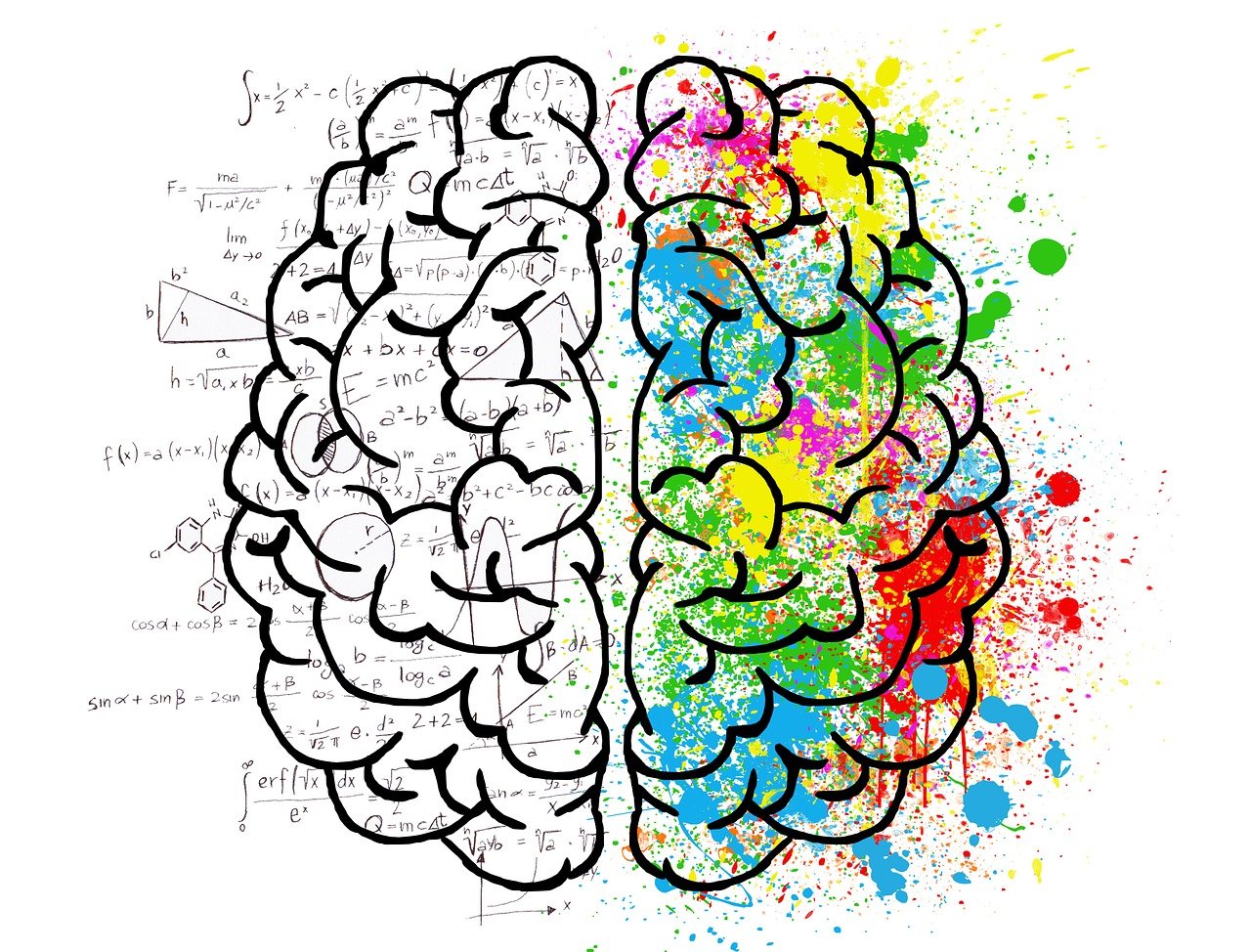
The mind-body connection refers to the interrelationship between our thoughts, emotions, and physical well-being. It recognizes that our mental and emotional states have a direct impact on our physical health, and vice versa. Our thoughts and emotions can influence our physiology, while our physical health can impact our mood and cognitive functioning. The mind and body are not separate entities, but rather interconnected and interdependent aspects of our being.
B. Science Behind Mind-Body Connection
Scientific research has shed light on the intricate relationship between the mind and body. Studies have shown that stress, negative emotions, and unhealthy thinking patterns can lead to physical ailments such as heart disease, impaired immune function, and chronic pain. On the other hand, positive emotions, a healthy mindset, and practices like meditation and mindfulness can improve physical health and enhance well-being.
C. Benefits of a Balanced Mind-Body Connection
Cultivating a balanced mind-body connection offers numerous benefits. It can improve your overall health and boost your immune system, allowing you to better fight off illnesses. It can also enhance your emotional well-being by reducing symptoms of anxiety, depression, and stress. A balanced mind-body connection can improve cognitive function, increase resilience in the face of challenges, and promote a sense of overall happiness and peace.
III. Cultivating Mind-Body Balance
A. Practicing Mindfulness
Mindfulness is the practice of being fully present in the moment, without judgment. It involves paying attention to your thoughts, feelings, and bodily sensations with a sense of curiosity and acceptance. Mindfulness cultivates an awareness of the present moment and helps you develop a non-reactive and non-judgmental mindset. By practicing mindfulness regularly, you can train your mind to be more focused, calm, and engaged, thus fostering a greater sense of inner peace.
B. Engaging in Regular Exercise
Exercise not only benefits the body but also the mind. Physical activity releases endorphins, which are mood-boosting chemicals in the brain. Regular exercise can help reduce symptoms of anxiety and depression, improve sleep quality, and enhance overall well-being. Engaging in activities you enjoy, such as yoga, running, or dancing, can be a great way to maintain a balanced mind-body connection and promote inner peace.
C. Nourishing the Body and Mind
Proper nutrition plays a significant role in achieving mind-body balance. Eating a balanced diet rich in fruits, vegetables, whole grains, and lean proteins provides the necessary nutrients for optimal physical and mental health. Avoiding excessive caffeine, sugar, and processed foods can help regulate mood and energy levels. Additionally, practicing self-care activities such as getting enough sleep, hydrating adequately, and engaging in hobbies and interests can nourish both the body and mind, promoting inner peace.
IV. Techniques for Unlocking Inner Peace
A. Breathing Exercises
Breathing exercises are simple yet powerful techniques for unlocking inner peace. By focusing on your breath, you can promote relaxation, reduce stress, and calm the mind. One effective breathing exercise is diaphragmatic breathing, also known as deep belly breathing. To do this exercise, sit or lie down in a comfortable position, place one hand on your abdomen, and inhale deeply through your nose, allowing your belly to rise. Exhale slowly through your mouth, feeling your belly fall. Repeat this process several times, focusing purely on the sensation of breathing, and feel the tension releasing from your body and mind.
B. Meditation and Visualization
Meditation is a practice that involves training the mind to focus and redirect thoughts. By meditating regularly, you can cultivate a sense of inner peace and improve your overall well-being. Find a quiet and comfortable space, close your eyes, and bring your attention to your breath or a specific focal point. When thoughts arise, simply acknowledge them without judgment and gently bring your focus back to the present moment. Visualization techniques, such as imagining yourself in a peaceful environment or visualizing positive outcomes, can also help shift your mindset and unlock inner peace.
C. Yoga and Tai Chi
Yoga and Tai Chi are ancient practices that combine physical movement, breath control, and meditation. These practices can help promote relaxation, flexibility, and mind-body awareness. Yoga incorporates various postures, known as asanas, which stretch and strengthen the body while fostering a sense of calm and balance. Tai Chi, on the other hand, consists of slow, flowing movements that promote relaxation, coordination, and mindfulness. Both yoga and Tai Chi can be powerful tools for unlocking inner peace and maintaining a balanced mind-body connection.
V. Finding Inner Peace in Daily Life
A. Creating a Supportive Environment
Creating a supportive environment is essential for finding and maintaining inner peace. Surrounding yourself with people who uplift and inspire you, cultivating positive and nurturing relationships, and engaging in activities that align with your values and bring you joy can contribute to a sense of inner peace. Additionally, decluttering your physical space and creating an organized and peaceful home environment can promote a sense of calm and tranquility in your daily life.
B. Managing Stress and Anxiety
Stress and anxiety are common disruptors of inner peace, but there are strategies for effectively managing them. Identifying and managing stress triggers, setting realistic goals, prioritizing self-care activities, and practicing relaxation techniques can help mitigate the impact of stress and anxiety on your well-being. It is also essential to establish healthy boundaries, learn to say no when necessary, and seek support from loved ones or professionals when needed. By actively managing stress and anxiety, you can create a more peaceful and balanced life.
C. Cultivating Positive Relationships
Nurturing positive relationships with others is vital for inner peace. Surrounding yourself with people who support and encourage you, and who bring positivity into your life, can have a profound impact on your well-being. Engaging in meaningful connections and practicing empathy, compassion, and forgiveness can contribute to a sense of peace and fulfillment in your relationships. Being present and actively listening to others, expressing gratitude, and maintaining open communication are key aspects of cultivating positive relationships and finding inner peace.
VI. Overcoming Challenges in the Journey to Inner Peace
A. Dealing with Negative Thoughts and Emotions
Negative thoughts and emotions can be significant obstacles to inner peace. However, it is possible to overcome them through mindful awareness and self-compassion. Acknowledge and observe negative thoughts and emotions without judgment, and practice reframing them in a more positive and realistic light. Engaging in activities that bring you joy, practicing gratitude, and nurturing a self-care routine can help shift your mindset and promote inner peace.
B. Balancing Work and Personal Life
Balancing work and personal life is essential for maintaining inner peace. Establishing clear boundaries between work and personal time, prioritizing self-care activities, and practicing effective time management can help create a sense of balance and prevent burnout. It is crucial to identify and engage in activities outside of work that bring joy and fulfillment, as well as to incorporate relaxation techniques and stress management strategies into your routine. Remember that achieving inner peace requires harmony between different aspects of your life, including work and personal relationships.
C. Maintaining Consistency and Resilience
Achieving and maintaining inner peace is a continuous journey that requires consistency and resilience. Consistency in practicing mindfulness, engaging in self-care activities, and nurturing positive relationships is essential for lasting results. It is normal to face challenges and setbacks along the way, but resilience is key to overcoming them and staying on the path towards inner peace. Embracing self-compassion, seeking support when needed, and staying committed to your well-being are crucial for maintaining consistency and resilience in your pursuit of inner peace.

VII. Seeking Professional Guidance
A. Role of Therapists and Counselors
Therapists and counselors play a vital role in helping individuals unlock inner peace. They provide a safe and non-judgmental space for individuals to explore their thoughts, emotions, and challenges. Through therapies such as cognitive-behavioral therapy (CBT), mindfulness-based approaches, and other evidence-based interventions, therapists and counselors can assist individuals in developing coping strategies, reframing negative thoughts, and overcoming barriers to inner peace. Seeking professional guidance can be a valuable step in your journey towards unlocking inner peace.
B. Exploring Alternative Therapies
Aside from traditional therapy, there are various alternative therapies that can support the pursuit of inner peace. These may include practices such as acupuncture, massage therapy, energy healing, and aromatherapy. Alternative therapies can help promote relaxation, reduce stress, and balance the mind and body. It is important to explore and research these therapies to find what resonates best with you and aligns with your personal values and beliefs.
C. Holistic Approaches to Inner Peace
Holistic approaches to inner peace take into account the interconnectedness of the mind, body, and spirit. These approaches aim to achieve balance and harmony in all aspects of life. Practices such as mindfulness meditation, yoga, Ayurveda, and energy healing focus on nurturing the whole person and cultivating a deep sense of well-being. Holistic approaches consider the individual as a whole and emphasize the importance of addressing physical, emotional, spiritual, and social aspects in the pursuit of inner peace.
In conclusion, unlocking inner peace is an art that involves cultivating a balanced mind-body connection, practicing various techniques, and making conscious choices in daily life. By understanding the definition and importance of inner peace, exploring the mind-body connection, and engaging in practices such as mindfulness, exercise, and self-care, individuals can unlock their inner serenity. It is crucial to navigate challenges, seek support when needed, and embrace a holistic approach to finding and maintaining inner peace. With dedication, consistency, and resilience, inner peace can be attained, leading to a more meaningful and fulfilling life.
